





Exclusive contract
An exclusive contract is an agreement between two parties where one party grants the other party exclusive rights to provide certain services or products, or to undertake specific work, for a defined period. This type of contract ensures that no other party can be engaged to provide the same services or products within the agreed scope and duration.
For example, the contractor may be granted exclusive rights to perform specific construction activities, supply materials, or provide services. This means the client cannot engage other contractors for the same work during the contract term. The contract will clearly define the scope of work covered by the exclusivity, including the specific tasks, services, or products involved. The duration of the exclusivity period will also be specified, which could range from the entire project duration to a particular phase of the project.
Exclusive contracts can benefit both parties. The contractor gains assurance of work without competition, which can help with resource planning and investment. The client can benefit from negotiated terms and potentially better pricing or service due to the guaranteed volume of work.
Exclusive contracts can help streamline project management, ensure quality and consistency, and provide financial and operational certainty for both clients and contractors. However, they also require careful consideration of terms to ensure fairness and to avoid potential disputes.
The contract will detail the payment terms, including rates, payment schedule, and any conditions for payment. This provides financial certainty for the contractor. The contractor must deliver the agreed services or products to the specified standards, while the client must adhere to the exclusivity clause and not engage other contractors for the same scope of work. Conditions under which the contract can be terminated by either party will be included. This may involve breaches of contract, failure to meet performance standards, or other specific conditions.
Sometimes, exclusive contracts include non-compete clauses that prevent the contractor from engaging in similar work for competitors in a defined geographical area or market during the contract term and possibly for a period afterwards.
Examples of exclusive contracts include:
- A construction firm might sign an exclusive contract with a materials supplier to provide all concrete required for a project, ensuring consistency in quality and pricing.
- A client might engage a single contractor exclusively for both the design and construction phases of a project, streamlining communication and project management.
- A property owner may enter into an exclusive agreement with a construction firm for all maintenance and renovation work over a specified period, ensuring consistent service and potentially lower costs due to the long-term relationship.
[edit] Related articles on Designing Buildings
Featured articles
Check out some of the best features and news from Designing Buildings as well as key stories from around the web.

CIOB photography competition is open for entries.
ECA Edmundson apprentice of the year award

Finalists announced.

Major new study exposes serious knowledge gaps.

Generating energy from internal light as well as sunshine.

ECA welcomes plans to strengthen subcontractor quality control.

Combining mid-career qualifications with experience broadens career opportunities.

Why being a mentor can help your career.

Channel 4 broadcaster to host 125th anniversary ceremony.
Listed structures on the rail network
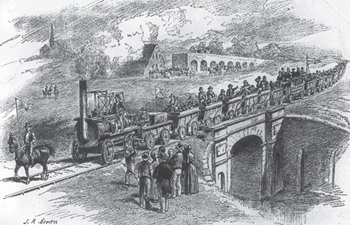
Heritage interests and operational requirements must be balanced.

Historic England publishes research into embodied carbon when retrofitting traditional buildings.

New Prime Minister delivers on ECA call for cut in electricity costs.

CIOB reacts to the announcement of Andy Burnham as Prime Minister.